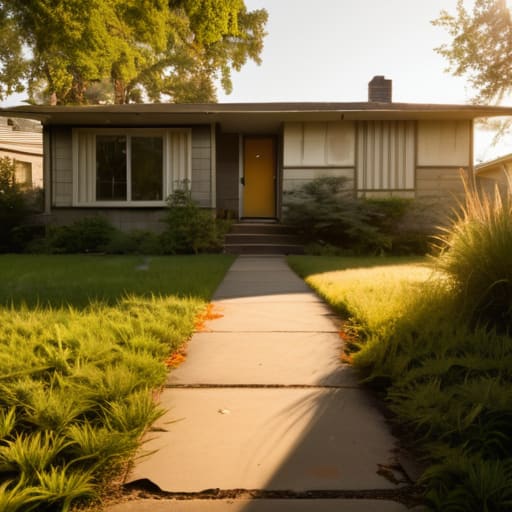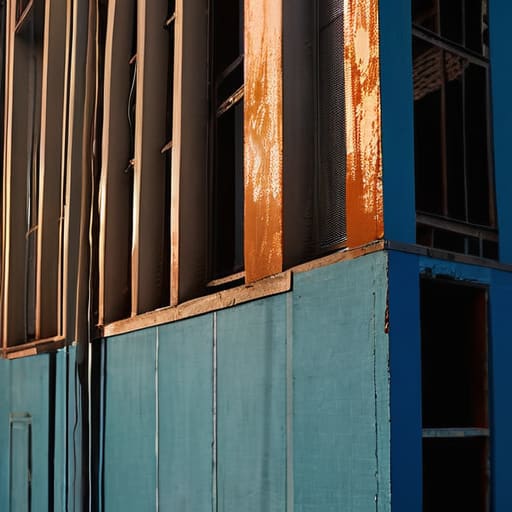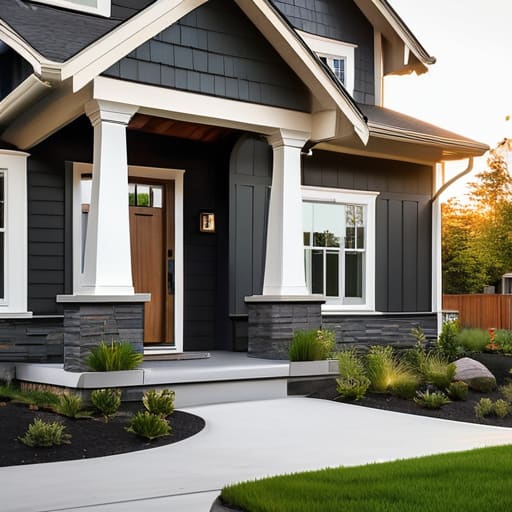
I still remember standing on a ladder in the pouring rain three years ago, staring at a mid-century ranch that looked like it had been through a war zone. The previous owner had tried to save a few bucks by using some cheap, bargain-bin exterior paint that was already bubbling and peeling off the siding like dead skin. It wasn’t just an eyesore; it was a massive drain on my margins because I was spending more time scraping old flakes than actually building equity. Most people think a fresh coat is just about aesthetics, but if you pick the wrong product, you’re essentially throwing your renovation budget into a black hole.
I’m not here to sell you on some overpriced, “designer” color palette that looks great on Instagram but fails in the real world. My goal is to show you how to select the right exterior paint that actually protects your investment and survives the elements without breaking the bank. I’m going to give you the no-nonsense breakdown on durability, sheen, and cost-effectiveness so you can stop wasting money on cosmetic fixes that don’t last. Let’s turn that crumbling facade into a high-value asset.
Table of Contents
- Mastering How to Prep Exterior Surfaces for Lasting Value
- Choosing Exterior Paint Color Trends That Command Premium Prices
- Stop Guessing and Start Strategizing: 5 Pro Tips for Exterior Paint ROI
- The Bottom Line on Exterior Paint Strategy
- The ROI of a Fresh Coat
- The Bottom Line on Curb Appeal
- Frequently Asked Questions
Mastering How to Prep Exterior Surfaces for Lasting Value
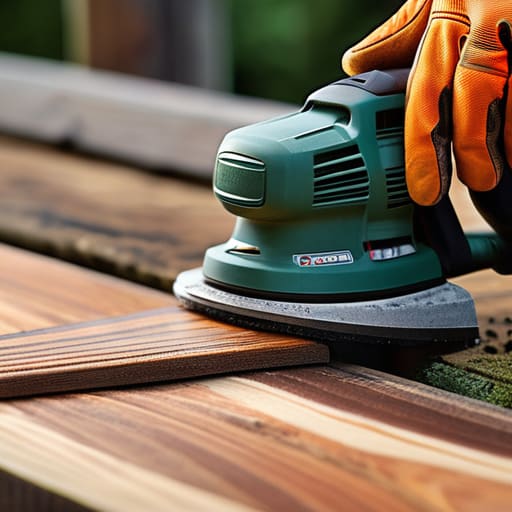
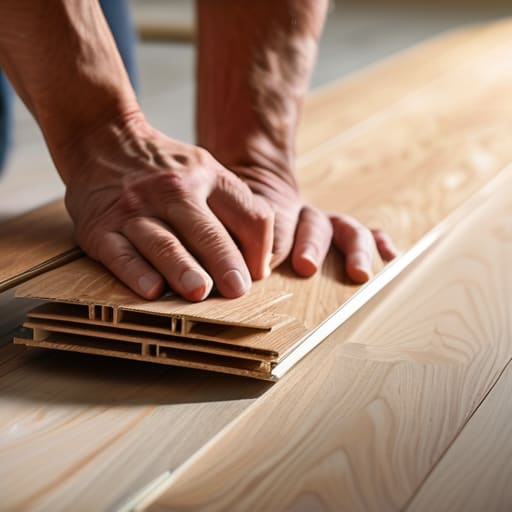
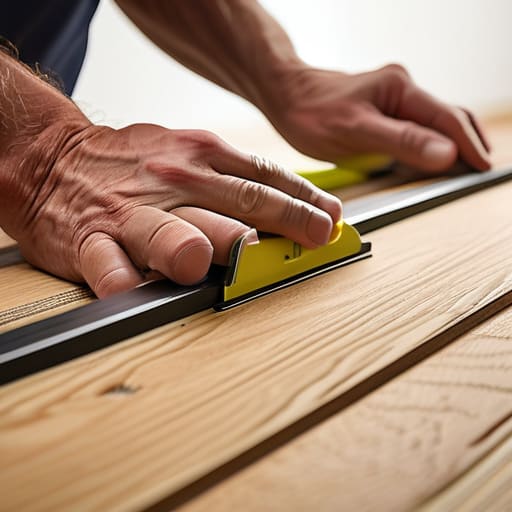
If you skip the prep work, you’re essentially throwing money directly into the gutter. I’ve seen too many novice flippers rush into a weekend project only to watch their margins evaporate when the finish starts bubbling six months later. Learning how to prep exterior surfaces is the difference between a high-end renovation and a cheap DIY disaster. You need to start with a deep clean to remove any biological growth or grit that could compromise adhesion. If you’re dealing with old cedar or pine, finding the best paint for wood siding is useless if you haven’t sanded down the rough patches and addressed any rot first.
Once the surface is clean and dry, your focus shifts to sealing the envelope. This is where you invest in quality; don’t skimp on primers or high-performance weatherproof paint coatings. I always tell my clients that the prep phase is where the real structural equity is built. If you ignore the cracks or fail to caulk the window perimeters properly, you aren’t just risking an ugly facade—you’re inviting moisture to compromise the very bones of the house.
Choosing Exterior Paint Color Trends That Command Premium Prices
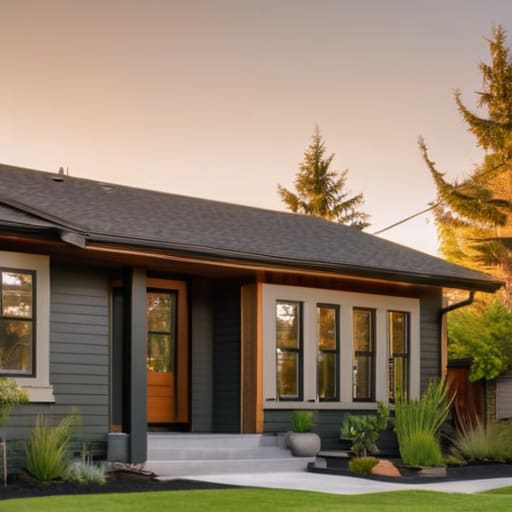
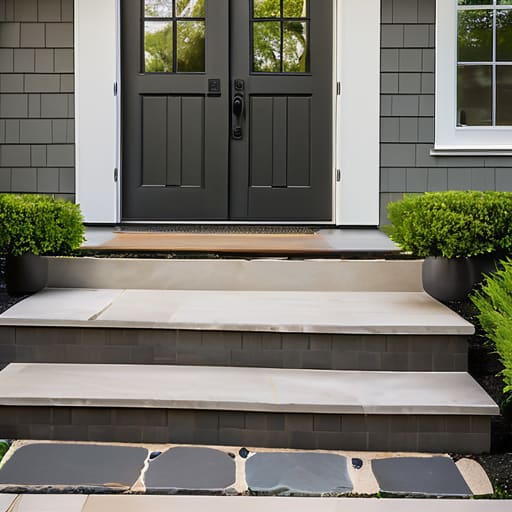
When you’re looking at a fixer-upper, you have to stop thinking like a homeowner and start thinking like an investor. You aren’t picking a color because it makes you feel cozy on a Sunday morning; you’re picking a color that makes a buyer reach for their checkbook. Right now, exterior paint color trends are leaning heavily into sophisticated, moody neutrals—think deep charcoals, muted sage, or warm, earthy terracottas. These shades provide a high-end, designer feel that makes a property stand out in a sea of boring beige suburban sprawl.
However, don’t get so caught up in the aesthetic that you ignore the science. A trendy color is useless if it starts flaking off after one harsh winter. If you’re dealing with older structures, finding the best paint for wood siding is non-negotiable to ensure that your stylistic choices actually hold their value. I always tell my clients: aim for “timeless with a twist.” You want a palette that feels current enough to command a premium, but stable enough that the house doesn’t look dated by the time you’ve closed the sale.
Stop Guessing and Start Strategizing: 5 Pro Tips for Exterior Paint ROI
- Don’t skimp on the primer; I’ve seen too many investors try to save a few hundred bucks only to watch their premium topcoat peel off within six months because they ignored the substrate.
- Check the weather window like your margins depend on it—because they do—and never schedule a paint job if there’s even a hint of humidity or rain in the forecast.
- Test your color swatches in actual sunlight, not just under your kitchen lights, because a “sophisticated charcoal” can quickly turn into a “depressing abyss” once it hits direct midday sun.
- Prioritize high-traffic trim and door areas with higher-quality finishes; these are the high-touch points that buyers notice first when they’re walking up your driveway.
- Always keep a small, labeled jar of your specific mix for touch-ups; nothing kills a professional finish faster than a scuff during the final walkthrough that you can’t perfectly match.
The Bottom Line on Exterior Paint Strategy
Never skimp on the prep work; if you don’t scrape and prime correctly, you’re literally throwing your renovation budget into the wind.
Focus on neutral, high-end palettes that appeal to the widest buyer pool rather than chasing personal color whims that could tank your resale value.
Treat your exterior paint as a strategic investment in curb appeal, not just a maintenance task, because first impressions dictate your final sale price.
The ROI of a Fresh Coat
“Stop looking at exterior paint as just a maintenance cost; in this business, it’s one of the highest-leverage tools you have to transform a neglected property into a high-value asset before the first buyer even steps foot on the porch.”
Gareth Trelawny
The Bottom Line on Curb Appeal
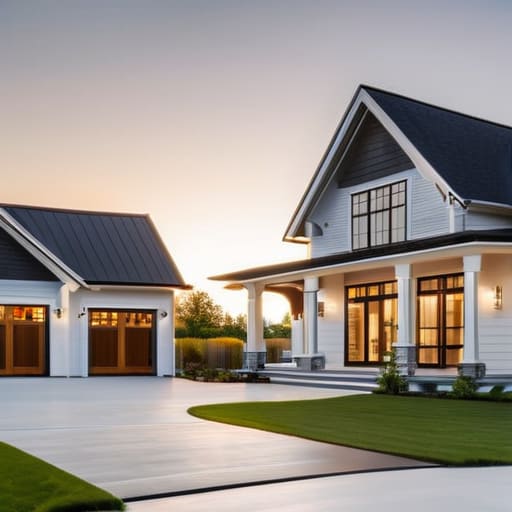
At the end of the day, exterior paint isn’t just about making a house look pretty for the neighbors; it’s a strategic move to protect your investment and maximize your exit price. We’ve covered the heavy lifting—from the non-negotiable prep work that prevents future rot to selecting a color palette that screams high-end sophistication rather than “cheap flip.” If you skip the sanding or rush the prime coat, you aren’t saving money; you’re just inviting a costly maintenance headache that will eat directly into your margins. Treat your exterior finish like the protective skin of your asset, and it will pay dividends in the form of increased equity and buyer interest.
I know the idea of standing on a ladder or staring at fifty different shades of “off-white” can feel overwhelming, especially when you’re managing a dozen other renovation tasks. But remember, every major transformation starts with these foundational layers. You aren’t just slapping color on a wall; you are signaling to the market that this property is cared for, polished, and ready for its next chapter. Don’t let the mess of the process distract you from the ultimate goal of building wealth. Get the prep right, pick the right tones, and watch how a simple can of paint turns a neglected structure into a high-performing asset.
Frequently Asked Questions
How do I decide between a budget-friendly paint brand and a premium one when I'm trying to protect my renovation margins?
Look, I get the urge to squeeze every cent out of the budget, but don’t cheap out on the actual liquid in the can. If you’re flipping, you want a finish that holds up through a humid summer without fading or peeling. I usually opt for a premium brand for high-exposure areas like siding and trim. It costs more upfront, but it saves you from a costly repaint call-back or a diminished sale price.
Is it actually worth investing in professional power washing, or can I just DIY the prep work to save some cash?
Look, I get the urge to DIY everything to protect your margins, but don’t skimp on the prep. If you can rent a decent power washer and spend a full Saturday doing it right, go for it. But if you’re worried about stripping the siding or leaving streaks that ruin your finish, hire a pro. A bad DIY job creates a nightmare for your paint adhesion, and a failed paint job is the fastest way to burn through your ROI.
How can I tell if my siding needs a full replacement versus just a high-quality repaint to maintain the property's value?
Look, don’t waste money painting over rot; that’s just burying a corpse. If your siding is warping, cracking, or feels soft to the touch, a repaint won’t save your margins—you need a full replacement to protect the structure. However, if the material is structurally sound but just looks tired or faded, a high-quality paint job is your best friend. It’s the cheapest way to manufacture instant equity without the heavy lifting.